
PROFILES OF STAFF WORKING AT OUR PLANT
The professionals behind every cable
Six technical roles, one way of working. Meet the people who make every cable possible at our Maliaño plant.
STANDARD CABLETEAM · STAFF AND PROFILES
Behind every metre of cable there is a team of professionals who prepare it, manufacture it, monitor it, test it and keep the machinery that makes it all possible running. At Standard CableTeam, the manufacture of cable for essential and critical infrastructure relies on specialised technical roles working in a coordinated manner at the Maliaño plant.
In this section, we introduce the six roles that make up our plant team, what each one does and how they contribute to the reliability of the final product.
COORDINATED WORK ON THE FLOOR
Conductor
Preparation
Materials ready for manufacturing
Production and
Machinery
Cable manufacturing process
Quality and Testing
Result verification
CROSS-FUNCTIONAL ROLES
Process control
Parameters and traceability
Technical maintenance
Equipment availability and reliability
The plant and its professionals
What roles are there at the Standard CableTeam plant?
Six complementary roles are carried out at the Maliaño plant (Cantabria): cable production, process control, conductor preparation, machinery operation, quality and testing, and technical maintenance. Together, they cover the entire cable production process, from the preparation of the copper conductor to the inspection of the finished product, in a factory that has been producing cable for energy, railway, oil & gas and telecommunications infrastructure since 1927.
Why does the manufacture of cable for critical infrastructure require such specialised expertise?
A cable for an electricity grid, a train, an oil and gas facility or a telecommunications network must operate for years under demanding conditions, and its failure can disrupt an essential service. That is why every stage of manufacture is carried out, monitored and verified by professionals with specific technical expertise, using stable processes, controlled parameters and full traceability. With this type of cable, quality is not simply added at the end: it is built in at every stage.
How do the different roles within the plant work together?
They work as a chain. Conductor preparation feeds the line; production and machinery operation carry out the process; process control monitors the parameters; quality and testing verify the results; and technical maintenance ensures that the equipment is available and reliable. Any issues detected at one stage are communicated to the others, enabling prompt correction and maintaining product consistency.
What sort of training do professionals at a high-tech cable factory usually have?
Staff typically have a background in vocational training and university studies in fields such as electricity, electronics, mechanics, industrial maintenance, automation, materials and engineering. This foundation is supplemented on the shop floor with specific training in cable manufacturing processes, safety and relevant regulations. Practical experience on the production line is a decisive factor for all roles.
STAFF / 01
Cable manufacturing
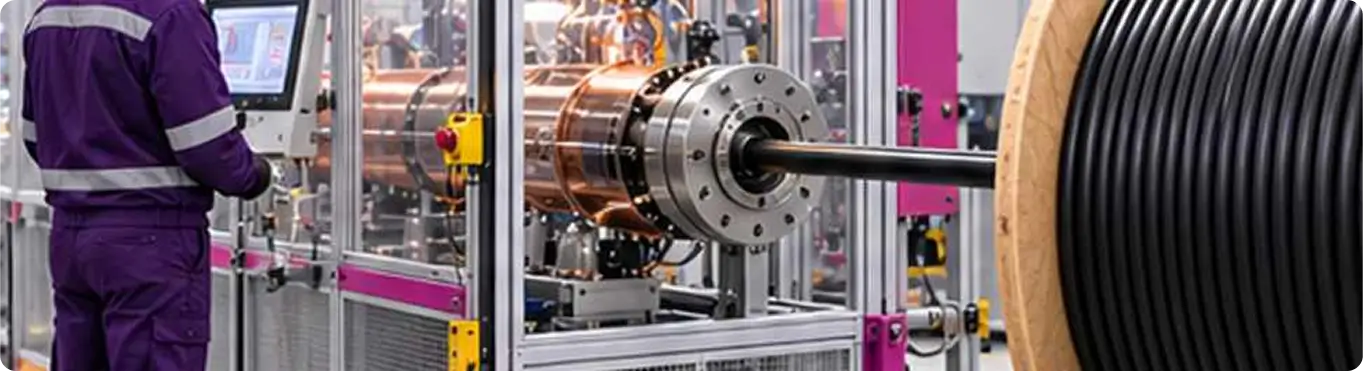
Cable production is at the heart of the plant. It is the process that shapes the product: using conductors and compounds, it carries out the manufacturing operations that transform a design into an actual cable, in accordance with the orders and specifications for each project.
The following questions describe the work involved, the skills required and its contribution to the reliability of the cable.
FROM THE CONDUCTOR TO THE CABLE
Conductors
Wiring
Insulation
Thickness and centering
Sheath
Finish
What does a cable production professional do?
They manufacture cable on production lines. They carry out manufacturing operations in accordance with orders and specifications: wiring conductors, feeding compounds into extruders, extruding insulation and sheaths, and forming the cable according to its design. They monitor the product during the process, load raw materials and change reels, whilst always paying attention to machine safety.
What knowledge and skills does this role require?
It requires an understanding of the manufacturing process and the polymeric materials used in insulation and roofing, the ability to interpret production orders and specifications, and the ability to work with rigour and attention to detail. It also requires the ability to work as part of a team and a strong commitment to safety.
How does cable production contribute to the reliability of critical infrastructure?
The consistency of the process determines the consistency of the product. In a cable for critical infrastructure, factors such as the thickness, centring and finish of the insulation and sheathing determine its electrical, mechanical and fire-performance characteristics.
STAFF / 02
Process control
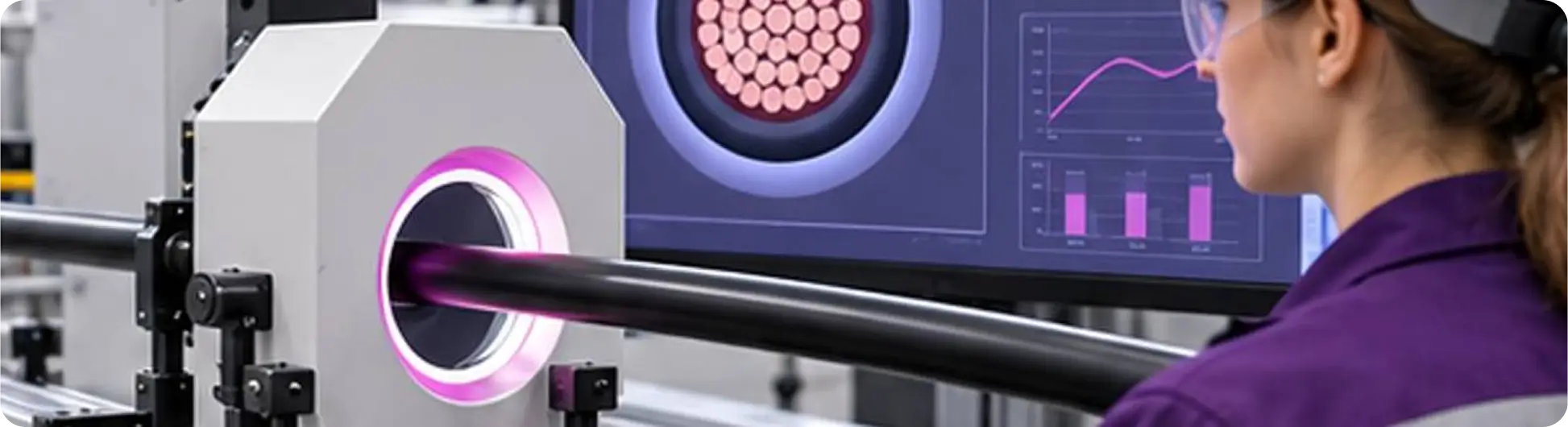
Manufacturing high-tech cable requires every process parameter to be maintained within strict tolerances. Process control is the role that monitors these variables in real time, detects deviations and records the data that underpins product quality.
Below, we explain what this role entails, what knowledge it requires and why it is crucial for cables used in critical infrastructure.
MANAGING THE PROCESS
Measure
Process variables
Compare
Defined thresholds
Act
When deviations occur
Record
Traceability
What does a process control engineer do in a cable factory?
They monitor and adjust process variables during manufacturing, such as temperatures, speeds, voltages, pressures and dimensions. They check that these remain within defined limits, use instrumentation and in-line measurement systems, take action in the event of any deviations, and record process data for traceability and analysis.
What knowledge and skills does this role require?
It requires knowledge of instrumentation and measurement, data interpretation and statistical process control, and an understanding of how each parameter affects the cable’s properties. It also requires an analytical mindset and a focus on continuous improvement.
Why is process control crucial for cables used in critical infrastructure?
It translates technical requirements into controlled parameters and detects deviations before they become defects. Furthermore, it generates the data that underpins the product’s documented evidence, which is essential when customers need to make decisions based on data and traceability.
STAFF / 03
Preparing conductors
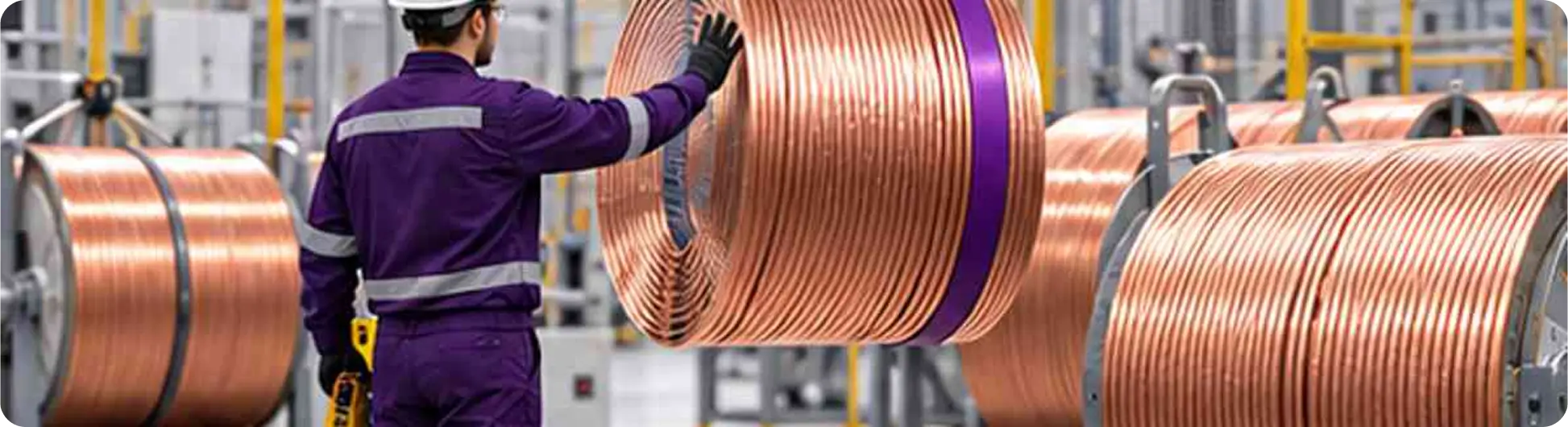
Every cable starts with a conductor. Conductor preparation involves processing this base material so that it reaches the production lines with the correct specification, batch number and conditions. It is a discreet but crucial function: any defects that are not prevented at this stage will carry through to all subsequent stages.
The following questions describe the role, the skills it requires and its importance in the manufacture of high-tech cables.
PREPARING THE DRIVER
Reference
Specified material
Batch
Identification
Conditions
Safe power supply
What does a conductor preparation specialist do?
They prepare and feed the conductor, the basic component of the cable. They manage the copper coils and reels, load them onto the production lines, check that the material corresponds to the specified reference and batch, and ensure it reaches the production line in the required condition. They handle heavy coils safely using lifting equipment.
What knowledge and skills does this role require?
It requires knowledge of copper conductors, their cross-sections and flexibility classes (for example, those specified in the IEC 60228 standard), the ability to read manufacturing documentation correctly, the ability to operate lifting equipment safely, and the ability to maintain order and traceability of batches.
Why is conductor preparation important in a high-tech cable?
The conductor determines the cable’s electrical resistance, flexibility and thermal behaviour. Correct preparation prevents defects that would otherwise carry through to all subsequent stages and the final product.
STAFF / 04
Machinery operation
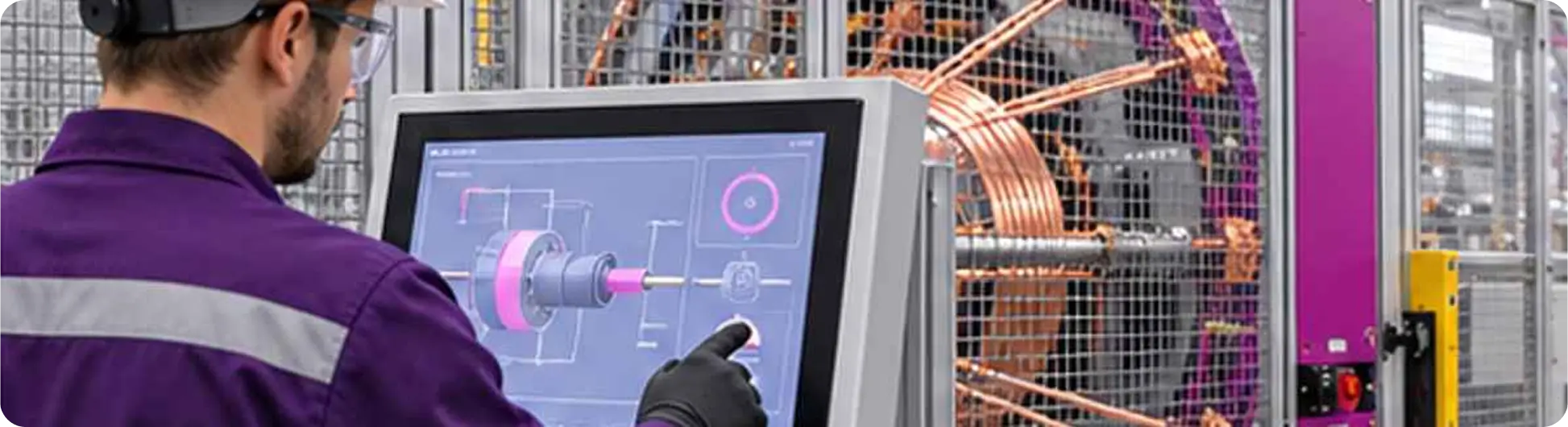
Cable production lines combine high-precision machinery with automated systems. The machinery operator is the role responsible for managing these lines, adjusting their parameters and ensuring the process remains stable during production and when changing set-ups.
Below, we explain what this role involves, what knowledge is required and how it contributes to the manufacture of bespoke cables for each customer.
A STABLE OPERATION
Prepare
Set-up
Configure
Parameters and HMI
Monitor
Alarms
Change
Coils and reference
What does a machinery operator do in a cable factory?
They operate the production line machinery via its control panels and automated systems. They configure production parameters, start and stop the line, monitor alarms, carry out reel and reference changes, and ensure that the machine operates within the parameters defined for each cable.
What knowledge and skills does this role require?
It requires proficiency in human-machine interfaces (HMIs) and industrial automation, the ability to interpret alarms and respond to them, knowledge of machine set-up and machine safety, and an understanding of the product being manufactured.
How does machinery operation contribute to the manufacture of bespoke cables for each customer?
Precise and repeatable operation produces a consistent cable. Well-executed adjustments to the set-up allow for the rapid manufacture of bespoke solutions and technical series without compromising on quality or traceability.
STAFF / 05
Quality and testing
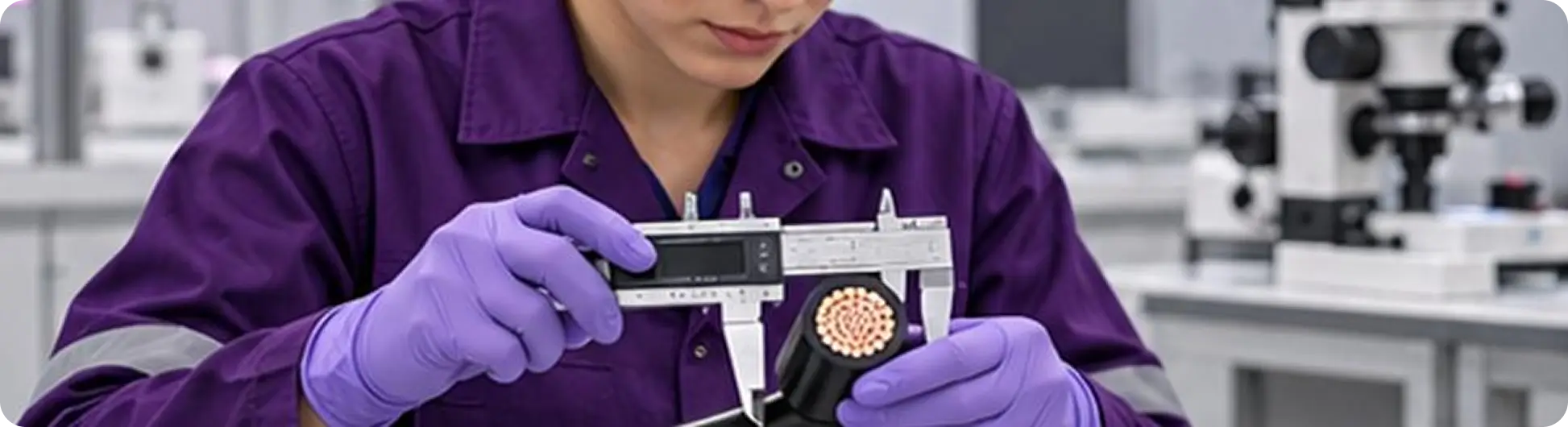
When it comes to cables for critical infrastructure, it is not enough simply to manufacture them well: you have to prove it. The Quality and Testing department is responsible for measuring, inspecting and testing the product, verifying that it complies with the relevant specifications and standards, and documenting the results to instil confidence in the customer.
The following questions describe its work, the skills required and why it is essential for critical infrastructure.
FROM MEASUREMENT TO EVIDENCE
Measurement
Dimensions
Testing
Performance
Documentation
Results by batch
What does a quality and testing professional do in a cable factory?
They check that the cable complies with the customer’s specifications and the applicable standards. They carry out dimensional measurements (diameters and thicknesses using precision instruments), visual inspections and the electrical and mechanical tests required by each specification; they document the results, manage non-conformities and ensure traceability by batch.
What knowledge and skills does this role require?
It requires knowledge of the IEC and EN standards applicable to each cable family, a thorough understanding of metrology and testing techniques, the ability to interpret results correctly, and a high standard of documentation. It also requires sound technical judgement and the ability to report deviations.
Why are quality and testing essential for cables used in critical infrastructure?
They provide evidence that the cable meets the specified requirements: reports containing test data that has been cross-checked against the customer’s requirements. In essential infrastructure, where a failure could affect a critical service, this evidence and the traceability of each batch are indispensable.
STAFF / 06
Technical maintenance
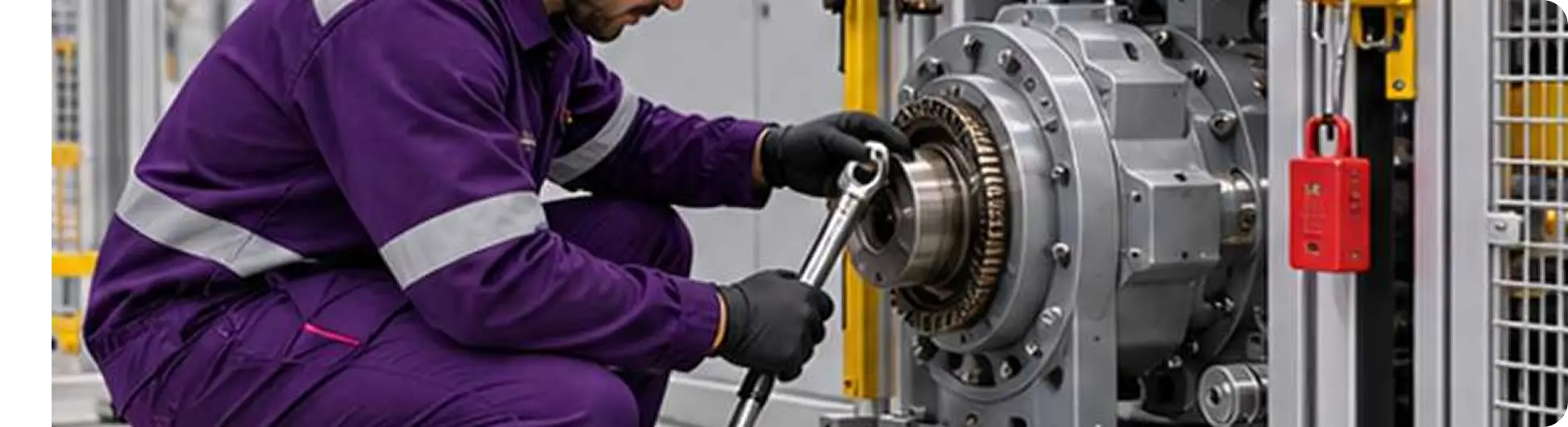
The consistency of the cable production depends on the machines operating in a stable and reliable manner. The technical maintenance role is responsible for looking after the plant’s equipment: it prevents breakdowns, resolves them when they occur and improves line availability.
The following explains what this role entails, what knowledge is required and how it contributes to the reliability of the cable.
AVAILABILITY AND RELIABILITY
Prevent
Availability
Diagnose
Faults
Resolve
Technical intervention
Improve
Reliability
What does a technical maintenance engineer do in a cable factory?
They keep the machinery and production lines in optimal condition. They carry out preventive, corrective and improvement maintenance (mechanical, electrical and automation), diagnose faults, adjust and calibrate the precision mechanisms on the production lines, and work to reduce downtime and improve the reliability of the equipment.
What knowledge and skills does this role require?
It requires knowledge of mechanics, industrial electricity, automation and programmable logic controllers (PLCs), pneumatics and hydraulics, the ability to read drawings and diagrams, and safety when working on machinery. It also requires diagnostic skills and the ability to work under pressure.
How does technical maintenance contribute to cable reliability?
Reliable equipment ensures a stable production process, and a stable production process ensures a consistent cable. Maintenance guarantees line availability, reduces downtime and underpins the reliability of project delivery times.
One team, one way of working
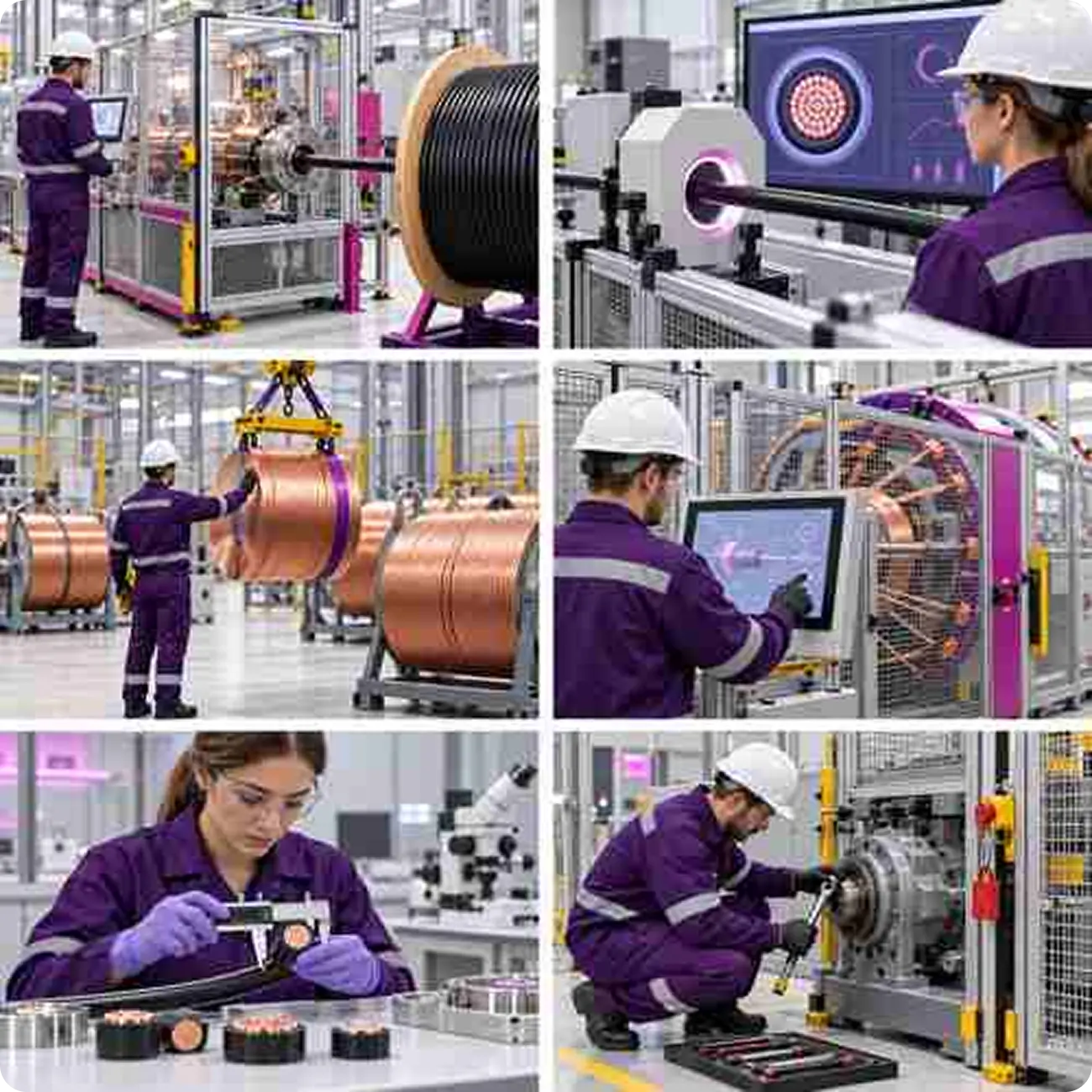
Beyond the specific duties of each role, the Maliaño plant is underpinned by a common way of working. The quality of a cable for essential infrastructure is the result of the coordinated efforts of all staff members and of shared values that make such coordination possible.
The final question sums up what the plant’s professionals have in common.
What values do all the roles at the plant share?
They share a commitment to safety as a priority, technical rigour, teamwork and continuous improvement. These are values that have been at the heart of the Maliaño plant since 1927 and which today underpin the manufacture of high-tech cable for essential and critical infrastructure.
A TEAM THAT WORKS TOGETHER FROM START TO FINISH
Conductor Preparation
Materials ready for manufacturing
Production and Machinery
Cable processing
Quality and Testing
Result verification
CROSS-FUNCTIONAL ROLES
Process control
Parameters and traceability
Technical maintenance
Equipment availability and reliability